• How Many Types Of Dimming In The Markets?

    How Many Types Of Dimming In The Markets?

    Nov 30, 2023
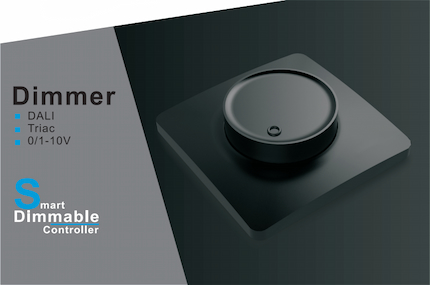
    Exploring Dimming Methods For Led Downlights: A Comprehensive Guide Dimming Capabilities Have Become An Essential Feature In Modern Lighting Design. With Advancements In Led Technology, Dimmable Led Downlights Can Transform The Ambiance Of a Space, Providing Versatility And Energy Efficiency. In This Article, We Will Explore Various Dimming Methods Available In The Market And Shed Light On The Most Suitable Dimming Methods For Led Downlights. Types Of Dimming Methods: 1. Phase-Cut Dimming: Phase-Cut Dimming, Also Known As Trailing-Edge Or Leading-Edge Dimming, Is The Most Common And Widely Supported Dimming Method For Led Lighting. This Method Modifies The Input Voltage Waveform To Reduce The Light Output Of The Leds. It Is Compatible With Most Leading-Edge Or Trailing-Edge Phase-Cut Dimmer Switches Available In The Market. 2. 0-10V Dimming: The 0-10V Dimming Method Uses a Control Signal That Ranges From 0 To 10 Volts To Adjust The Light Output. Dimmer Switches Employing This Method Reduce Or Increase The Voltage Supplied To The Led Downlights, Thereby Changing Their Intensity. This Method Requires a Dedicated Low-Voltage Control Wire, Making It Suitable For New Installations Or Retrofitting Existing Systems. 3. Pulse Width Modulation (Pwm) Dimming: Pwm Dimming Involves Rapid Switching Of The Led Current On And Off. By Controlling The Width Of The Pulses, The Average Current Supplied To The Leds Is Adjusted, Thus Altering The Brightness. Pwm Dimming Is Commonly Used In Smart Lighting Systems And Can Provide Smooth Dimming Performance. 4. Digital Addressable Lighting Interface (DALI): Dali Is a Standardized Digital Communication Protocol Specifically Designed For Controlling Lighting Systems. It Allows For Individual Control Of Each Light Fixture, Offering Precise Dimming And Programming Capabilities. Dali-Compatible Led Downlights Are Ideal For Large-Scale Projects Or Spaces With Complex Lighting Requirements. Selecting An Appropriate Dimming Method For Led Downlights: 1. Compatibility: Ensure That The Dimming Method You Choose Is Compatible With Both The Led Downlights And The Dimmer Switch. Consult The Manufacturer's Specifications And Compatibility Charts To Guarantee Seamless Operation. 2. Performance: Evaluate The Dimming Performance Of The Method You Intend To Use. Some Methods, Such As Phase-Cut Dimming, May Exhibit Flickering Or Limited Dimming Range. Pwm Or Dali Dimming Methods Often Provide Better Performance And a Broader Dimming Range. 3. System Requirements: Consider The Wiring Infrastructure And Control Options Available In Your Space. Certain Dimming Methods, Like 0-10V And Dali, Require Additional Wiring Or Compatible Control Systems. Assess The Feasibility And Cost-Effectiveness Of Implementing These Systems. 4. Flexibility: Select a Dimming Method That Allows For Future Expansions And Upgrades. Consider The Scalability Of The Dimming System And Its Compatibility With Emerging Technologies, Such As Smart Home Integration Or Advanced Lighting Control Systems. When It Comes To Dimming Led Downlights, There Are Several Options Available, Each With Its Advantages And Considerations. Understanding The Different Dimming Methods, Their Compatibility, And Performance Characteristics Is Crucial To Achieving The Desired Lighting Effect. Take Into Account The Specific Requirements Of Your Project And Consult With a Professional Lighting Designer Or Manufacturer To Determine The Most Suitable Dimming Method For Your Led Downlights. Embrace The Versatility Of Dimmable Led Lighting And Unlock The Full Potential Of Your Space.
  • Understanding IK Ratings For Led Lights

    Understanding IK Ratings For Led Lights

    Nov 28, 2023
    When It Comes To Selecting Led Lights For Both Indoor And Outdoor Applications, It Is Important To Consider Various Factors That Ensure Durability And Protection Against Physical Impact. One Such Factor Is The IK Rating, Which Measures The Resistance To Mechanical Stress And Impact For Lighting Fixtures. In This Article, We Will Delve Into The Concept Of IK Ratings, Their Significance, And How To Select The Appropriate IK Grade For Different Lighting Scenarios. What Is IK Grade? IK Grade Is An International Standard That Classifies The Level Of Protection Provided By An Electrical Device Against Mechanical Impacts. Specifically, It Assesses The Resistance Of The Product's Enclosure To Impact Energy Expressed In Joules (J). A Higher IK Grade Indicates a Greater Level Of Protection Against Impact. The IK Rating Scale Ranges From IK00 (No Protection) To IK10 (Maximum Protection). Importance Of IK Ratings In Led Lighting: Led Lights With Higher IK Ratings Offer Enhanced Durability, Reduced Maintenance, And Increased Longevity. By Considering IK Ratings, You Can Ensure That Your Lighting Fixtures Are Capable Of Withstanding Accidental Impacts, Vandalism, And Other External Forces Commonly Encountered In Indoor And Outdoor Environments. Selecting The Appropriate IK Grade: 1. Outdoor Lighting: - Pathways And Pedestrian Areas: For Areas With High Foot Traffic And Potential Accidental Impacts, An IK Grade Of IK07 Or Higher Is Recommended. - Parking Lots And Roadways: Due To The Presence Of Vehicles, An IK Grade Of IK08 Or Higher Is Ideal To Resist Possible Collisions Or Vandalism. - Facades And Building Exteriors: Considering Exposure To Environmental Elements And Potential Physical Contact, An IK Grade Of IK09 Or Higher Is Advisable. 2. Indoor Lighting: - Office Spaces And Schools: An IK Grade Of IK06 Or Higher Provides Sufficient Protection Against Accidental Impacts Caused By Objects Such As Office Supplies Or Equipment. - Retail Stores: Given The Possibility Of Product Handling And Customer Traffic, An IK Grade Of IK07 Or Higher Is Recommended To Withstand Minor Impacts. - Industrial Environments: For Areas Prone To Heavy Machinery Or Equipment, An IK Grade Of IK08 Or Higher Is Needed To Withstand More Significant Impacts. Conclusion: Selecting The Appropriate IK Grade For Led Lights Is Essential For Ensuring Their Resistance To Mechanical Impacts In Various Indoor And Outdoor Applications. By Considering Factors Such As Foot Traffic, Environmental Conditions, And Potential Hazards, You Can Make Informed Decisions Regarding The IK Rating Of Your Lighting Fixtures. Choosing Higher IK-Rated Led Lights Enhances Their Longevity, Reduces Maintenance Costs, And Contributes To a Safer Lighting Environment Overall. Remember To Consult With Reputable Led Lighting Manufacturers Or Suppliers Who Can Guide You In Selecting The Most Suitable IK Grade For Your Specific Lighting Requirements.
  • A Comprehensive Guide: How To Dim Led Lights

    A Comprehensive Guide: How To Dim Led Lights

    Nov 24, 2023
    Dimmable Led Lights Have Revolutionized The Lighting Industry By Providing Users With The Ability To Adjust The Brightness Levels According To Their Preference Or Specific Lighting Requirements. Whether You Want To Create A Cozy Ambiance For A Romantic Dinner Or Enhance The Productivity In Your Workspace, Dimmable Led Lights Offer Versatility And Control. In This Article, We Will Provide A Step-By-Step Guide On How To Dim Led Lights, Ensuring That You Can Make The Most Of Your Lighting System. Step 1: Check Compatibility Before Attempting To Dim Led Lights, It'S Essential To Ensure That Both Your Led Lights And Your Dimmer Switch Are Compatible. Led Lights Require Specially Designed Dimmers That Are Compatible With Their Electronic Drivers. Traditional Incandescent Dimmers May Not Work Properly With Led Lights, Potentially Causing Flickering, Buzzing, Or Even Damaging The Led Circuitry. Look For Dimmers Specifically Labeled As Compatible With Led Lighting, Or Consult With A Professional Electrician Or Lighting Specialist For Guidance. Step 2: Select The Right Dimmer Now That You Know The Importance Of Compatibility, It'S Time To Choose The Right Dimmer For Your Led Lights. Dimmers Come In Various Types, Such As Rotary, Sliding, Touch, Or Smart Dimmers. Consider Your Personal Preference, The Desired Control Options, And The Wiring Compatibility Of Each Dimmer Type. Some Dimmers Also Offer Advanced Features Like Preset Lighting Scenes, Timers, And Remote Control Functionalities. Select A Dimmer That Suits Your Needs And Complements Your Overall Lighting System. Step 3: Installation Once You Have Chosen A Compatible Dimmer Switch, It'S Time To Install It. Turn Off The Power To The Circuit You'Ll Be Working On At The Main Electrical Panel Before Starting Any Installation Process. Follow The Manufacturer'S Instructions Carefully To Ensure A Safe And Proper Installation. If You'Re Uncertain About Any Step, It'S Recommended To Consult A Professional Electrician To Avoid Any Electrical Hazards. Step 4: Familiarize Yourself With Dimming Controls After Installing The Dimmer, Familiarize Yourself With The Various Controls. Most Dimmer Switches Have A Physical Switch Or Knob That Turns The Lights On And Off, While The Dimming Function Is Controlled By Sliding, Rotating, Tapping, Or Pressing Buttons. Some Dimmers Also Come With Remote Controls Or Are Compatible With Smartphone Apps Or Voice Assistants For Added Convenience. Step 5: Adjusting Brightness To Start Dimming Your Led Lights, Turn The Lights On Using The Main Switch Or Knob. Then, Use The Dimming Controls To Adjust The Brightness Level. Depending On The Dimmer Type, You May Slide, Rotate Clockwise Or Counterclockwise, Tap Buttons, Or Use Specific Commands On Your Remote Or App. Gradually Increase Or Decrease The Brightness Until You Find The Desired Level. Remember That Led Lights Offer Smooth And Flicker-Free Dimming, Allowing For Precise Adjustments. Step 6: Create Lighting Scenes One Of The Major Benefits Of Dimmable Led Lights Is The Ability To Create Different Lighting Scenes For Various Activities Or Moods. Experiment With Different Brightness Levels To Find The Perfect Ambiance For Relaxation, Entertainment, Or Working. Save Your Preferred Lighting Scenes Using The Dimmer'S Memory Function Or Smart Home Integration. This Way, You Can Quickly Recall Your Favorite Settings With A Single Button Press Or Voice Command. Dimmable Led Lights Provide Users With Flexibility, Comfort, And Versatility In Controlling The Lighting Ambiance Within Their Living Spaces. By Following The Steps Outlined In This Guide, You Can Successfully Dim Your Led Lights And Transform Your Environment To Suit Your Specific Needs. Remember To Use Compatible Dimmers, Select The Right Dimming Controls, And Enjoy The Benefits Of Energy-Efficient Lighting Customized To Your Preferences.
  • Exploring Led Lighting Design And Architecture

    Exploring Led Lighting Design And Architecture

    Nov 23, 2023
    Led Lighting Has Revolutionized The World Architectural Design, Enabling Creative Lighting Solutions That Shape The Aesthetics And Functionality Of Buildings And Spaces. With Its Numerous Advantages And Flexibility, Led Lighting Has Become a Popular Choice For Architects And Designers. In This Article, We Will Delve Into The Fascinating World Of Led Lighting Design And Its Impact On Architectural Spaces. 1. Enhancing Aesthetics: Led Lighting Provides Architects And Designers With Endless Possibilities To Create Remarkable Lighting Effects That Enhance The Aesthetics Of Architectural Structures. By Strategically Placing Led Lights, Architectural Details, Textures, And Forms Can Be Accentuated, Creating Visually Stunning Environments. From Highlighting Facades And Sculptures To Illuminating Interior Spaces, Led Lighting Design Adds Depth, Drama, And a Touch Of Magic To Architectural Structures. 2. Energy Efficiency And Sustainability: Led Lighting Is Renowned For Its Energy Efficiency, Making It An Eco-Friendly Choice For Architectural Applications. Led Lights Consume Significantly Less Energy Compared To Traditional Lighting Sources, Reducing Energy Costs And Carbon Footprint. Additionally, Led Lights Have a Longer Lifespan, Minimizing The Need For Frequent Replacements And Further Reducing Waste. The Integration Of Led Lighting Into Sustainable Architecture Aligns With The Growing Emphasis On Environmentally Conscious Design Practices. 3. Flexibility And Versatility: Led Lighting Offers Architects And Designers Immense Flexibility In Terms Of Design Possibilities. Led Lights Come In Various Shapes, Sizes, Colors, And Intensities, Allowing For Customizable Lighting Solutions To Suit Diverse Architectural Styles And Requirements. Whether It's Creating Dynamic Lighting Schemes, Color-Changing Effects, Or Adjustable Brightness Levels, Led Lighting Provides The Versatility To Adapt To Different Lighting Scenarios And Moods. 4. Functional Illumination: Architectural Spaces Demand Not Only Aesthetic Appeal But Also Practical Functionality. Led Lighting Excels In Providing Efficient And Effective Illumination For Various Areas Within a Building. Led Downlights, Linear Lights, Panel Lights, And Spotlights Can Be Used To Illuminate Workspaces, Lobbies, Hallways, And Meeting Rooms, Ensuring Optimal Visibility And Comfort For Occupants. The Directional Nature Of Led Lighting Allows For Precise Lighting Control And Reduces Light Wastage. 5. Integration With Smart Systems: The Marriage Of Led Lighting And Smart Technology Has Opened Up Exciting Possibilities For Architectural Lighting Design. Led Lights Can Be Seamlessly Integrated With Intelligent Control Systems, Enabling Automation, Scheduling, Dimming, And Color-Changing Capabilities. This Integration Enhances Energy Efficiency, Simplifies Maintenance, And Provides Dynamic Lighting Options For Creating Engaging Experiences Within Architectural Spaces. Conclusion: Led Lighting Design Has Revolutionized The Field Of Architecture, Enabling Breathtaking Visuals, Energy Efficiency, And Adaptable Illumination Solutions. Its Flexibility, Sustainability, And Integration With Smart Systems Make It An Ideal Choice For Architects And Designers Seeking Innovative Lighting Solutions For Commercial, Residential, And Public Spaces. As Led Technology Continues To Evolve, The Future Of Architectural Lighting Design Holds Infinite Creative Potential.
  • Advantages Of Wide Beam Angle Led Downlights For Commercial Lighting Applications

    Advantages Of Wide Beam Angle Led Downlights For Commercial Lighting Applications

    Nov 20, 2023
    In Commercial Lighting Applications, It Is Essential To Create a Well-Lit And Inviting Environment That Enhances Productivity, Promotes Customer Engagement, And Ensures Overall Satisfaction. Led Downlights Have Emerged As a Popular Choice Due To Their Energy Efficiency, Longevity, And Versatility. Among The Various Types Of Led Downlights Available, Those With a Wide Beam Angle Offer Several Distinct Advantages. In This Article, We Will Explore The Benefits Of Using Wide Beam Angle Led Downlights In Commercial Settings. 1. Enhanced Illumination Coverage: Wide Beam Angle Led Downlights Provide a Broader Spread Of Light, Enabling Them To Illuminate a Larger Area Compared To Narrow Beam Angle Counterparts. This Is Particularly Beneficial In Commercial Spaces, Such As Retail Stores, Showrooms, Restaurants, And Conference Rooms, Where Uniform Lighting Distribution Across a Wide Area Is Desired. With Fewer Fixtures Needed To Cover a Larger Space, Wide Beam Angle Downlights Offer Cost-Effective Lighting Solutions. Example: In a Retail Store, Wide Beam Angle Led Downlights Placed Strategically Can Effectively Showcase Merchandise On Display, Ensuring That Every Corner Of The Store Is Adequately Lit Without Any Dark Spots. 2. Increased Flexibility: Wide Beam Angle Downlights Offer Greater Flexibility In Lighting Design And Layout. They Can Be Positioned At Various Angles And Distances, Allowing For Customization And The Creation Of Dynamic Lighting Effects. This Flexibility Enables The Accentuation Of Architectural Features, Focal Points, Or Specific Areas Of Interest Within a Commercial Space. Example: In a Museum Or Art Gallery, Wide Beam Angle Led Downlights Can Be Used To Highlight Individual Artworks Or Artifacts, Drawing The Viewer's Attention And Creating a Visually Captivating Experience. 3. Improved Visual Comfort: One Of The Key Advantages Of Wide Beam Angle Downlights Is Improved Visual Comfort. The Wider Beam Angle Helps Distribute Light More Evenly, Reducing Harsh Shadows And Minimizing Glare. This Creates a Pleasant And Comfortable Lighting Environment For Employees, Customers, Or Visitors In Commercial Settings. Example: In An Office Space, Wide Beam Angle Led Downlights Can Provide Balanced And Glare-Free Illumination On Workstations, Reducing Eye Strain And Enhancing Employee Well-Being And Productivity. 4. Energy Efficiency: Led Technology Is Renowned For Its Energy Efficiency, And Wide Beam Angle Downlights Are No Exception. By Efficiently Utilizing Light Output, These Downlights Can Deliver Maximum Illumination Coverage With Minimal Energy Consumption. This Not Only Reduces Electricity Costs But Also Contributes To Environmental Sustainability By Lowering Carbon Emissions. Example: In a Large Commercial Building, The Use Of Wide Beam Angle Led Downlights Can Significantly Reduce Energy Consumption Compared To Traditional Lighting Fixtures, Resulting In Substantial Cost Savings And a Reduced Carbon Footprint. Wide Beam Angle Led Downlights Offer Numerous Advantages For Commercial Lighting Applications. Their Enhanced Illumination Coverage, Flexibility In Design, Improved Visual Comfort, And Energy Efficiency Make Them An Ideal Choice For Various Commercial Spaces. When Selecting Led Downlights For Commercial Applications, It Is Essential To Consider The Specific Requirements Of The Space And Opt For High-Quality Products From Reputable Manufacturers Or Suppliers To Ensure Optimal Performance And Longevity. By Embracing The Benefits Of Wide Beam Angle Led Downlights, Businesses Can Create Inviting And Well-Lit Environments That Promote Productivity, Enhance Customer Experiences, And Contribute To Energy Conservation.
  • Enhancing Outdoor Spaces With Led Lawn Lights: A Guide To Landscape Illumination

    Enhancing Outdoor Spaces With Led Lawn Lights: A Guide To Landscape Illumination

    Nov 17, 2023
    Led Lawn Lights, Also Known As Outdoor Lawn Lights Or Led Lawn Lamps, Are Versatile Lighting Fixtures Designed Specifically For Illuminating Lawns, Gardens, And Other Outdoor Landscapes. With Their Energy Efficiency, Durability, And Aesthetic Appeal, Led Lawn Lights Have Gained Popularity As An Excellent Choice For Enhancing The Ambiance Of Outdoor Spaces. In This Article, We Will Explore The Features And Benefits Of Led Lawn Lights, Their Applications In Landscape Lighting, And Essential Considerations For Selecting The Right Fixtures For Your Garden. 1. Energy Efficiency And Longevity: Led Lawn Lights Utilize Light-Emitting Diodes (Leds) As Their Light Source, Making Them Highly Energy-Efficient. Compared To Traditional Incandescent Lights, Led Lawn Lights Consume Significantly Less Electricity While Providing An Equivalent Or Even Brighter Illumination. Additionally, Led Technology Boasts An Impressive Lifespan, Reducing The Need For Frequent Replacements And Minimizing Maintenance Costs. 2. Weatherproof And Durable Construction: Outdoor Environments Are Subject To Various Weather Conditions, Such As Rain, Snow, Heat, And Wind. Led Lawn Lights Are Specifically Designed To Withstand These Elements By Incorporating Waterproof And Durable Materials. They Are Resistant To Corrosion, Moisture, And Uv Rays, Ensuring Their Longevity And Reliability In Outdoor Applications. 3. Landscape Enhancement: Led Lawn Lights Play a Key Role In Adding Allure And Sophistication To Outdoor Spaces. These Fixtures Offer Versatile Lighting Options, Including Spotlights, Floodlights, Pathway Lights, And In-Ground Lights. By Strategically Placing Led Lawn Lights, You Can Highlight Landscape Features, Illuminate Paths And Walkways, Accentuate Architectural Elements, And Create Captivating Visual Effects. 4. Environmental Benefits: By Opting For Led Lawn Lights, You Contribute To Eco-Friendly Lighting Solutions. Led Technology Consumes Less Energy, Thereby Reducing Carbon Emissions. Additionally, Leds Do Not Contain Harmful Substances Like Mercury, Making Them Safer For Both The Environment And Human Health. Using Led Lawn Lights Aligns With Sustainable Practices And Promotes a Greener Future. 5. Design And Versatility: Led Lawn Lights Come In Various Styles, Designs, And Finishes, Allowing You To Find Fixtures That Match The Aesthetics Of Your Outdoor Space. Whether You Prefer Sleek And Modern Stainless Steel Fixtures Or More Traditional Lantern-Style Lights, There Is a Wide Selection Available To Suit Your Tastes. Furthermore, Led Lawn Lights Can Be Dimmable, Providing You With Flexibility In Creating Different Lighting Atmospheres To Suit Various Occasions. 6. Choosing The Right Led Lawn Lights: When Selecting Led Lawn Lights For Your Outdoor Space, Consider The Following Factors: a. Lighting Requirements: Determine The Specific Areas You Want To Illuminate And The Desired Lighting Effects, Such As Accent Lighting Or Functional Lighting. b. Design And Aesthetics: Choose Fixtures That Complement The Overall Design Theme Of Your Outdoor Space And Blend Harmoniously With The Surrounding Environment. c. Performance And Quality: Look For Reputable Manufacturers And Suppliers Of Led Lawn Lights Known For Their High-Quality Products. Consider The Brightness, Color Temperature, And Beam Angle To Ensure Optimal Illumination. d. Installation And Maintenance: Consider The Ease Of Installation And Any Additional Features For Easier Maintenance, Such As Adjustable Mounting Brackets Or Detachable Lenses. Conclusion: Led Lawn Lights Provide a Perfect Solution For Illuminating Outdoor Spaces, Offering Energy Efficiency, Durability, And Aesthetic Enhancements. By Incorporating These Versatile Fixtures Into Your Landscape Lighting Design, You Can Create Stunning Visual Effects, Improve Safety, And Contribute To a More Sustainable Lighting Solution. Explore The Wide Range Of Led Lawn Lights Available In The Market, And Transform Your Outdoor Space Into a Captivating Oasis Of Light And Beauty.
  • Modern Office Lighting: Enhancing Productivity, Comfort, And Energy Efficiency

    Modern Office Lighting: Enhancing Productivity, Comfort, And Energy Efficiency

    Nov 16, 2023
    In Today's Evolving Work Environments, The Role Of Lighting Extends Far Beyond Its Basic Function Of Illuminating Spaces. Modern Office Lighting Systems Are Carefully Designed To Create a Productive, Comfortable, And Energy-Efficient Workspace. This Article Explores The Benefits Of Utilizing Led Lights In Office Settings, Specifically Focusing On Office Linear Lights. We Will Also Discuss Key Considerations For Selecting Suitable Led Lights For Different Office Applications. 1. Enhancing Productivity: Proper Lighting Plays a Crucial Role In Promoting Productivity And Well-Being Among Office Workers. Adequate Illumination Levels, Coupled With The Ability To Control Light Intensity, Can Positively Impact Employee Focus, Concentration, And Overall Performance. Dimmable Linear Lights Offer The Flexibility To Adjust Lighting Levels Based On Tasks Or Individual Preferences, Creating An Optimal Working Environment. For Instance, During Presentations Or Collaborative Sessions, Brighter Lighting Can Be Utilized, While Softer Lighting May Be Preferred For Tasks That Require Sustained Concentration. 2. Creating Comfortable Spaces: Office Lighting Should Aim To Create a Comfortable And Visually Appealing Environment. Linear Lights, With Their Sleek And Minimalist Design, Provide An Ideal Choice For Modern Office Interiors. These Fixtures Offer Uniform Illumination And Reduce Glare, Minimizing Eye Strain And Fatigue. Integrated Lighting Controls Allow Employees To Customize Lighting Levels According To Their Personal Comfort Requirements, Fostering a Sense Of Well-Being. 3. Energy Efficiency And Sustainability: Led Technology Revolutionized Lighting Systems By Providing Substantial Energy Savings And Reducing Carbon Emissions. Led Office Linear Lights Consume Significantly Less Energy Compared To Traditional Fluorescent Fixtures. By Selecting Energy-Efficient Led Lights, Office Spaces Can Achieve Substantial Reductions In Electricity Consumption, Leading To Cost Savings And a Smaller Ecological Footprint. When Choosing Led Office Linear Lights, Look For Manufacturers Or Suppliers That Prioritize Environmentally Friendly Production Processes And Offer Energy-Efficient Products. 4. Design Flexibility And Versatility: Modern Office Spaces Often Require Adaptable Lighting Solutions To Accommodate Different Activities And Architectural Layouts. Office Linear Lights Come In Various Sizes And Configurations, Offering Flexibility In Design And Installation. These Linear Fixtures Can Be Mounted Individually Or Seamlessly Connected To Form Continuous Lighting Systems, Allowing For Seamless Integration With The Office Infrastructure. Additionally, Dimmable Linear Lights Enable Zoning Within An Office Space, Facilitating The Creation Of Dynamic Lighting Scenes Tailored To Specific Areas Or Workstations. 5. Selecting Suitable Led Lights For Office Applications: When Choosing Led Lights For Office Environments, It Is Essential To Consider Several Factors: a) Illumination Requirements: Assess The Specific Lighting Needs Of Different Areas In The Office, Such As Workstations, Meeting Rooms, Corridors, And Common Areas. Determine The Desired Illumination Levels And The Potential For Controlling Light Intensity. b) Light Color Temperature: Select Led Lights With Appropriate Color Temperatures To Create The Desired Ambiance. Cooler Color Temperatures (5000K-6500K) May Be Ideal For Task-Oriented Areas, While Warmer Temperatures (2700K-3500K) Can Create a More Relaxed Atmosphere In Break Rooms Or Lounges. c) Lighting Controls Compatibility: Ensure That The Selected Led Lights Are Compatible With Modern Lighting Controls, Such As Dimmers Or Smart Lighting Systems. This Enables Efficient Adjustment Of Light Levels To Suit Various Requirements. d) Quality And Durability: Choose Reputable Manufacturers Or Suppliers That Offer High-Quality Led Lights Built To Withstand The Demands Of Office Environments. Look For Luminaires With Long Lifespan Ratings And Warranties For Added Peace Of Mind. Modern Office Lighting Systems, Powered By Led Technology, Have The Potential To Transform Workspaces Into Productive, Comfortable, And Energy-Efficient Environments. The Utilization Of Office Linear Lights, Especially Dimmable Ones, Allows For Customizable Lighting Solutions To Meet The Specific Needs And Preferences Of Employees. By Considering Factors Like Illumination Requirements, Light Color Temperature, Controls Compatibility, And Product Quality, An Office Can Create An Optimized Lighting Ecosystem That Enhances Productivity, Comfort, And Sustainability. Remember To Source Led Lights From Trusted Manufacturers Or Suppliers That Specialize In Office Lighting Solutions.
  • What Are The Benefits Of Using Dimmable Led Lights?

    What Are The Benefits Of Using Dimmable Led Lights?

    Nov 15, 2023
    The Advantages Of Dimmable Led Lights: A Comprehensive Analysis As The Lighting Industry Continues To Evolve, Dimmable Led Lights Have Emerged As a Prominent Lighting Solution. In This Article, We Will Examine The Benefits Of Utilizing Dimmable Led Lights From a Professional Perspective. We Will Evaluate Their Impact On Lighting Spaces, The Well-Being Of Individuals In The Lighting Environment, Environmental Sustainability, Carbon Emissions, And Energy Conservation. 1. Versatility And Lighting Space Enhancement: Dimmable Led Lights Offer An Unparalleled Versatility In Lighting Spaces. By Adjusting The Light Intensity, They Empower Users To Create Customized Lighting Scenarios, Adapt To Different Activities, And Set The Desired Ambiance. Whether It's a Commercial Office, Residential Setting, Or Hospitality Venue, Dimmable Led Lights Provide Enhanced Control Over The Lighting Environment, Allowing For Optimized Visual Comfort And Productivity. 2. Human Well-Being And Visual Comfort: Lighting Plays a Crucial Role In Human Well-Being, Affecting Our Mood, Productivity, And Overall Health. Dimmable Led Lights Enable Users To Tailor The Lighting Levels To Match Their Preferences And Specific Tasks. By Adjusting The Lighting Intensity, These Lights Can Create a More Comfortable And Pleasant Atmosphere, Reducing Eye Strain And Fatigue. Additionally, Dimmable Led Lights Can Be Integrated With Circadian Lighting Systems, Replicating Natural Daylight Patterns And Promoting a Healthier Sleep-Wake Cycle. 3. Environmental Sustainability And Carbon Emissions Reduction: Dimmable Led Lights Contribute Significantly To Environmental Sustainability. Leds Are Highly Energy-Efficient, Consuming Less Power Compared To Traditional Lighting Sources. By Incorporating Dimming Capabilities, These Lights Allow Users To Further Reduce Energy Consumption By Adjusting The Brightness According To Need. This Results In Lower Carbon Emissions And a Reduced Ecological Footprint. Dimmable Led Lights Align With Global Sustainability Efforts, Promoting Responsible Energy Usage And Supporting Green Initiatives. 4. Energy Conservation And Cost Savings: The Energy-Saving Benefits Of Dimmable Led Lights Directly Translate Into Reduced Energy Costs. By Optimizing The Light Output To Match The Task Or The Desired Atmosphere, Energy Consumption Can Be Significantly Reduced. Dimmable Led Lights Offer Exceptional Energy Efficiency, Converting a Higher Percentage Of Electrical Energy Into Usable Light. This Efficiency Leads To Substantial Long-Term Cost Savings, Making Dimmable Led Lights a Financially Sensible Investment For Both Residential And Commercial Applications. 5. Flexibility And Compatibility: Dimmable Led Lights Are Compatible With a Wide Range Of Control Systems And Technology Advancements. They Can Be Seamlessly Integrated With Smart Home Automation Systems, Allowing For Intuitive Control Through Mobile Devices Or Voice Commands. This Compatibility Enhances The Overall Lighting Experience, Enabling Users To Effortlessly Personalize And Manage Their Lighting Environment. Conclusion: The Use Of Dimmable Led Lights Offers Numerous Advantages That Extend Beyond Mere Illumination. Through Their Versatility, These Lights Enhance The Lighting Space And Promote Human Well-Being By Providing Adaptable Lighting Environments. Additionally, They Contribute To Environmental Sustainability By Minimizing Energy Consumption, Reducing Carbon Emissions, And Conserving Resources. The Financial Benefits Of Reduced Energy Costs Further Emphasize The Value Of Incorporating Dimmable Led Lights In Both Residential And Commercial Settings. Embrace The Infinite Possibilities Of Dimmable Led Lights And Embark On a Journey Towards Energy-Efficient, Visually Appealing, And Environmentally Conscious Lighting Solutions. SEENlamp Lighting ,a Reputable Led Downlight Supplier In China, Offers An Extensive Range Of Commercial Led Lighting Products, Including Led Downlights, Spotlights, Track Lights, Linear Lights, Pendant Lights, And More. In Addition To Our Wide Selection, We Take Pride In Our Custom-Made Product Services That Cater To The Unique Requirements Of Our Clients. From Oem And Odm Capabilities To Free Lighting Design And Installation Guidance, We Are Your Trusted Partner For Customized Led Lighting Solutions.
  • What Is Dimming?

    What Is Dimming?

    Nov 13, 2023
    What Is Dimming? It Is Refers To The Ability To Adjust The Brightness Or Intensity Of a Light Source. In The Context Of Led Lights, Dimming Allows You To Control The Light Output, Creating Different Moods, Ambiance, Or Levels Of Illumination According To Your Preference Or Specific Needs. As a Professional Sales,We Are Glado To Introducing Dimming For Led Lights To Customers, 1. Customizable Lighting: Dimming Provides Flexibility In Creating Desired Lighting Atmospheres, Whether It's Bright Task Lighting For Working Or Studying, Or a Softer, Ambient Lighting For Relaxation Or Entertaining. 2. Energy Efficiency: By Dimming Led Lights, You Can Reduce The Energy Consumption And Increase Energy Savings. Dimming The Lights To a Lower Intensity Can Help Conserve Electricity When Full Brightness Is Not Necessary. 3. Extended Led Lifespan: Dimming Can Also Help Prolong The Lifespan Of Led Lights. By Reducing The Power Input, The Leds Generate Less Heat, Which Can Contribute To a Longer Overall Lifespan. 4. Personal Comfort And Well-Being: Dimming Allows Individuals To Customize The Lighting Levels To Their Preference, Which Can Enhance Comfort And Well-Being. Adjusting The Lighting According To The Time Of Day Or Specific Activities Can Promote Relaxation, Concentration, Or Improved Sleep. 5. Compatibility: It's Important To Ensure That The Led Lights Being Used Are Dimmable And Compatible With The Dimming System Or Switches Being Employed. Not All Led Lights Are Dimmable, So It's Crucial To Check The Product Specifications Or Consult a Lighting Professional. By Explain Above Points, We Can Effectively Communicate With Customers The Benefits And Importance Of Dimming When Using Led Lights.
  • What Is Kitchen Island Lighting?What Kind Of Led Light Fixtures Suitable For Kitch Island Room Space Lighting?

    What Is Kitchen Island Lighting?What Kind Of Led Light Fixtures Suitable For Kitch Island Room Space Lighting?

    Nov 11, 2023
    Island Lighting Refers To The Lighting Fixtures Installed Above a Kitchen Island, Which Is a Central Workspace And Gathering Area In The Kitchen. It Serves Both Functional And Aesthetic Purposes, Providing Task Lighting For Food Preparation And Adding a Stylish Element To The Overall Kitchen Design. When It Comes To Led Light Fixtures Suitable For Kitchen Island Lighting, There Are Several Options To Consider: 1. Pendant Lights: Pendant Lights Are a Popular Choice For Kitchen Island Lighting. They Hang From The Ceiling And Provide Focused, Downward Lighting. Led Pendant Lights Come In Various Designs, Shapes, And Sizes, Allowing You To Choose Fixtures That Complement Your Kitchen Decor. 2. Chandeliers: Chandeliers Can Add a Touch Of Elegance And Sophistication To The Kitchen Island Area. Led Chandeliers Offer Energy-Efficient Lighting While Creating a Statement Piece In The Kitchen. 3. Track Lights: Track Lighting Systems Consist Of Multiple Adjustable Light Fixtures Mounted On a Track. They Offer Flexibility In Directing Light To Specific Areas Of The Kitchen Island. Led Track Lights Are Energy-Efficient And Provide Ample Illumination For Various Kitchen Tasks. 4. Recessed Lights: If You Prefer a Minimalist Look, Recessed Led Lights Are a Great Option. They Are Installed Into The Ceiling And Provide a Clean, Streamlined Lighting Solution. Multiple Recessed Lights Can Be Positioned Over The Kitchen Island To Achieve Balanced Illumination. 5. Under Cabinet Lights: Installing Led Strip Lights Or Puck Lights Under The Cabinets Above The Kitchen Island Can Create a Beautiful Ambient Lighting Effect. It Enhances The Visual Appeal Of The Island While Providing Additional Task Lighting. When Choosing Led Light Fixtures For Kitchen Island Lighting, Consider Factors Such As The Size And Height Of The Island, The Overall Kitchen Design, The Desired Lighting Intensity, And The Color Temperature Of The Led Lights. It's Also Essential To Ensure That The Fixtures Provide Adequate Lighting For Food Preparation And Create a Warm And Inviting Atmosphere In The Kitchen.
  • What The Benefits Of Led Lights In Terms Of Energy Savings And Reducing Carbon Footprint?

    What The Benefits Of Led Lights In Terms Of Energy Savings And Reducing Carbon Footprint?

    Nov 09, 2023
    Lights Have Gained Significant Popularity Due To Their Numerous Benefits In Terms Of Energy Savings And Reducing Carbon Footprint. Let's Explore These Advantages And Discuss What Led Lighting Manufacturers Can Do To Contribute To Sustainable Production And Considerations During New Product Development. 1. Energy Savings: Led Lights Are Highly Energy-Efficient Compared To Traditional Lighting Technologies. Here's Why: a) Lower Energy Consumption: Led Lights Consume Significantly Less Energy Than Incandescent And Fluorescent Bulbs. They Convert a Higher Percentage Of Energy Into Light Rather Than Heat, Resulting In Reduced Energy Wastage. b) High Efficiency: Led Lights Offer High Luminous Efficacy, Producing More Light Output Per Watt Of Electricity Consumed. This Efficiency Translates To Energy Savings And Reduced Electricity Bills. c) Dimming Capabilities: Led Lights Can Be Easily Dimmed, Allowing Users To Adjust Light Levels According To Needs. This Dynamic Control Further Enhances Energy Efficiency By Using Only The Necessary Amount Of Light Required For a Specific Task Or Ambiance. 2. Carbon Footprint Reduction: Led Lights Contribute To Reducing Carbon Emissions And Environmental Impact In The Following Ways: a) Lower Co2 Emissions: As Leds Consume Less Energy, The Demand For Electricity Decreases. This Leads To Reduced Co2 Emissions Associated With Electricity Generation, Helping Combat Climate Change. b) Longer Lifespan: Led Lights Have a Much Longer Lifespan Compared To Traditional Bulbs. This Not Only Reduces The Number Of Bulbs That Need To Be Manufactured And Disposed Of But Also Minimizes The Environmental Impact Associated With Production And Waste Management. c) No Harmful Substances: Unlike Fluorescent Lights, Led Lights Do Not Contain Hazardous Substances Such As Mercury. This Eliminates The Environmental Risks Associated With Their Disposal And Ensures Safer Manufacturing Processes. 3. Sustainable Led Light Production: As An Led Lighting Supplier, Here Are Some Measures You Can Take To Promote Sustainable Production: a) Use Recyclable Materials: Opt For Recyclable And Eco-Friendly Materials For Your Led Light Fixtures. This Includes Using Recyclable Metals, Plastics, And Packaging Materials, Minimizing Waste Generation And Promoting Circular Economy Principles. b) Energy-Efficient Manufacturing Processes: Employ Energy-Efficient Technologies And Practices In Your Manufacturing Processes. This Can Include Optimizing Production Lines, Using Energy-Efficient Machinery, And Implementing Energy Management Systems To Reduce Energy Consumption. c) Responsible Waste Management: Implement Proper Waste Management Practices, Such As Recycling And Disposing Of Waste Materials In Adherence To Environmental Regulations. Consider Establishing Take-Back Programs To Collect And Recycle End-Of-Life Led Products. 4. Considerations For New Product Development: During The Development Of New Led Lighting Products, Consider The Following: a) Energy Efficiency: Focus On Maximizing Energy Efficiency By Selecting High-Quality Led Components, Optimizing Circuit Design, And Incorporating Advanced Control Systems. b) Reliability And Durability: Ensure Your Led Lights Are Reliable And Durable To Minimize The Need For Frequent Replacements. Conduct Thorough Testing And Quality Control To Deliver Long-Lasting Products. c) Design For Disassembly: Design Your Led Lights For Easy Disassembly And Recycling, Enabling The Separation Of Different Materials For Proper Recycling Or Reuse. d) Lighting Design Flexibility: Consider Offering a Range Of Beam Angles, Color Temperatures, And Dimming Options To Cater To Different Lighting Preferences And Applications. This Allows Users To Customize The Lighting Experience While Maintaining Energy Efficiency. In Conclusion, Led Lights Offer Significant Energy Savings And Contribute To Reducing The Carbon Footprint. As a Responsible Led Lighting Manufacturer, Focusing On Sustainable Production Practices, Incorporating Energy-Efficient Technologies, And Considering Environmental Factors During New Product Development Are Vital Steps To Contribute To a Greener Future.
  • Understanding Beam Angle Of Led Downlights: Choosing The Perfect Illumination For Every Application

    Understanding Beam Angle Of Led Downlights: Choosing The Perfect Illumination For Every Application

    Nov 07, 2023
    In The World Of Led Lighting, Understanding Beam Angles Is Crucial For Achieving Optimum Lighting Effects. Led Downlights, Spotlights, And Track Lights Have Different Beam Angles, Which Significantly Impact The Dispersion And Coverage Of Light. In This Article, We Will Delve Into The Concept Of Beam Angles, Explore Their Importance, And Guide You On Selecting The Suitable Beam Angle For Various Applications. As a Leading Led Lights Manufacturer And Supplier, We Aim To Empower You With The Knowledge To Make Informed Lighting Decisions. 1. What Is Beam Angle? Beam Angle Refers To The Spread Of Light Emitted From An Led Light Source. It Is Measured In Degrees And Determines The Width Of The Light Beam. A Narrower Beam Angle Produces a Focused, Intense Light, While a Wider Beam Angle Provides a Broader, More Dispersed Illumination. 2. Understanding Beam Angle: Let's Illustrate The Concept Using Examples Of Led Downlights, Spotlights, And Track Lights: - Led Downlights: Typically Used For General Lighting Purposes, Led Downlights Have Beam Angles Ranging From 30 To 120 Degrees. A Wider Beam Angle, Such As 120 Degrees, Is Ideal For Illuminating Larger Spaces Like Living Rooms Or Offices, Providing Uniform And Ambient Lighting. On The Other Hand, a Narrower Beam Angle Of Around 30 Degrees Is Suitable For Accent Lighting, Highlighting Specific Areas Or Objects, Such As Artwork Or Architectural Features. - Led Spotlights: Led Spotlights Are Used To Create Focused, Directional Lighting. They Generally Have Beam Angles Ranging From 15 To 60 Degrees. A Narrow Beam Angle, Such As 15 Degrees, Is Great For Emphasizing Objects Or Creating Dramatic Lighting Effects. Meanwhile, Wider Beam Angles, Like 60 Degrees, Are Suitable For Broader Coverage In Spaces That Require More Ambient Lighting. - Led Track Lights: Used For Accent Lighting And Highlighting Specific Areas, Led Track Lights Offer Versatility. They Typically Have Beam Angles Ranging From 15 To 60 Degrees, Allowing Precise Illumination Control Along The Track. Narrow Beam Angles Are Suitable For Highlighting Individual Objects Or Architectural Details, While Wider Beam Angles Are Preferable For General Lighting Or Larger Areas. 3. Selecting The Suitable Beam Angle: When Selecting The Suitable Beam Angle For Your Led Downlights, Consider The Following Factors: - Purpose: Determine The Primary Purpose Of The Lighting. Is It For General Lighting, Accent Lighting, Or Task Lighting? This Will Help You Choose The Appropriate Beam Angle That Best Fulfills Your Lighting Requirements. - Room Size: Consider The Size Of The Room Or Space You Are Lighting. Larger Spaces Generally Benefit From Wider Beam Angles To Achieve More Uniform Illumination, Whereas Smaller Spaces May Require Narrower Beam Angles For Targeted Lighting. - Desired Effect: Determine The Desired Lighting Effect You Want To Achieve. Do You Aim To Highlight Specific Objects Or Create a Cozy Atmosphere? Narrow Beam Angles Are Effective For Focused Lighting, Whereas Wider Angles Provide a Softer, More Diffuse Illumination. - Lighting Design: Consider The Overall Lighting Design And Layout. Combine Different Beam Angles Strategically To Create a Visually Appealing And Functional Lighting Scheme. Conclusion: In The Realm Of Led Lighting, Understanding Beam Angles Is Essential For Creating The Desired Lighting
1 2 3 4 5 6 7 8 9 10

A total of10pages

Contact Details
Dear Customer,Thanks For Your Time,Any Interested Products, Please Do Not Hesitate To Contact Us.
submit
We are online 7*24 hours to answer all your questions.

Need Help? Chat with us

leave a message
For any request of information or technical support, fill in the form. All fields marked with an asterisk* are required.
Submit

Home

Products

whatsApp

contact